Unique Power Challenges of 5G Sites vs. 4G
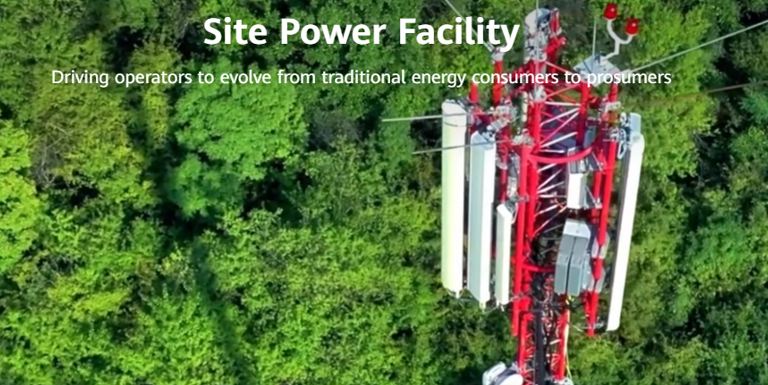
5G’s technical advantages—including massive MIMO, ultra-low latency, and high-speed data—come with unique power demands that outpace traditional 4G infrastructure. Unlike 4G base stations, which often operate at 400 to 600 watts, 5G macro sites can draw 1,500 to 2,500 watts, while dense urban small sites may reach 1,200 watts, three times the power requirement of 4G micro-sites. This surge creates two key pain points for operators: space constraints and grid reliability. In dense cities like Tokyo or New York, 5G sites are often installed on streetlights, building walls, or underground utility vaults, leaving little room for large power cabinets. Traditional power systems, built for lower loads, struggle with overheating and overloads, leading to frequent service disruptions. For rural areas, where grid access is limited, diesel generators remain the default, but fuel costs can make up 60% of a site’s operational expenditure. Additionally, 5G’s edge computing capabilities add extra power needs, as base stations now process data locally instead of routing it to central data centers, increasing both power consumption and heat generation. These challenges require tailored power solutions that balance efficiency, reliability, and space.
Core Components of Huawei’s 5G Site Power Portfolio
Huawei’s 5G power ecosystem is designed to address these challenges with modular, high-efficiency, and flexible solutions. The flagship Blade Power System (BPS) is a modular DC power system that scales from 6kW to 48kW, with each blade module delivering 3kW of power. Unlike legacy rectifiers, the BPS uses silicon carbide (SiC) semiconductors, achieving a peak efficiency of 98.5%—2% higher than standard silicon-based systems. This efficiency gain reduces cooling needs by 30% and cuts energy waste, directly lowering operational costs. For urban small sites, Huawei’s FusionPower Micro is a compact power unit that fits into 19-inch rack spaces, with an IP65 rating for outdoor installation on streetlights or pole-mounted cabinets. It supports both AC and DC inputs, making it compatible with existing grid infrastructure. For off-grid or remote areas, Huawei’s Hybrid Power Solutions combine solar panels, lithium-iron-phosphate (LFP) batteries, and backup diesel generators. The system’s smart controller automatically switches between power sources based on sunlight, battery level, and grid availability, optimizing energy use. Completing the portfolio is PowerEngine, a cloud-based platform that monitors 5G site power in real time, predicts equipment failures, and adjusts load allocation remotely. This reduces on-site maintenance visits by 40% and extends the lifespan of power components by 25%.
Real-World Case Studies of Huawei 5G Power Deployments
Several global operators have adopted Huawei’s power solutions to solve their 5G site challenges. In 2022, Vodafone Germany upgraded 1,200 urban 5G sites in Berlin and Munich. Prior to the upgrade, 30% of sites experienced power overloads during peak evening hours, leading to temporary service drops. The deployment of Huawei’s BPS modules resolved this issue, with each site now handling up to 1,500 watts without overloading. The system’s smart load management feature automatically shifts power to high-demand areas during events like concerts or sports matches, avoiding disruptions. Post-deployment, Vodafone reported a 27% reduction in power-related operational costs and a 99.99% uptime rate—exceeding their original 99.95% target. For Africa, MTN Group rolled out 500 Huawei hybrid power systems in rural Kenya in 2021. Before the upgrade, MTN’s rural 5G sites relied on diesel generators, with fuel costs making up 65% of their total site expenses. The hybrid systems now get 85% of their power from solar during daylight hours, cutting fuel costs by 32% and reducing annual carbon emissions by 1,200 tons. In Singapore, Singtel used Huawei’s FusionPower Micro for 300 underground 5G sites. These sites face high humidity and limited ventilation, so Huawei’s IP67-rated power modules prevented corrosion, resulting in a 99.999% uptime rate over two years, with zero power-related outages.

Future Directions for 5G Site Power Innovation
As 5G networks expand and evolve toward 6G, Huawei is advancing power technology to meet growing demands. A key focus is AI-driven power optimization, where machine learning algorithms predict network traffic patterns and adjust power allocation in advance, reducing unnecessary energy use by another 15%. Another area is hydrogen-powered backup systems, which are being piloted in remote areas to replace diesel generators, with zero emissions and longer runtime. Huawei is also exploring vehicle-to-grid (V2G) integration for 5G sites: as electric vehicles (EVs) become more widespread, 5G sites equipped with bidirectional chargers can act as energy storage nodes, drawing power from EV batteries during peak grid demand and feeding power back to the grid during shortages. This not only cuts 5G site costs but also stabilizes local grids, creating a mutually beneficial ecosystem. For 6G, Huawei is developing ultra-efficient power modules that support terahertz frequency bands, which will require even higher power density. These modules will use advanced materials like gallium nitride (GaN) to achieve efficiency above 99% and reduce heat generation, enabling compact 6G sites. Additionally, Huawei is working with global standards bodies to ensure its power solutions align with future network requirements, from open RAN compatibility to sustainability targets like net-zero emissions by 2030.
Beyond technical innovation, Huawei is also focused on making 5G power accessible to small and medium operators, offering flexible financing models and local support networks. In emerging markets, where operators often have limited capital, Huawei’s pay-as-you-go power solutions allow them to deploy 5G sites without large upfront costs. This approach has helped operators in countries like Nigeria and Vietnam expand their 5G coverage by 40% in the last two years, reaching rural areas that were previously underserved. As 5G becomes a foundational technology for smart cities, industrial automation, and connected healthcare, reliable power will remain critical. Huawei’s ongoing investments in power technology ensure that operators can scale their networks efficiently while reducing environmental impact, supporting the global transition to a low-carbon digital economy.