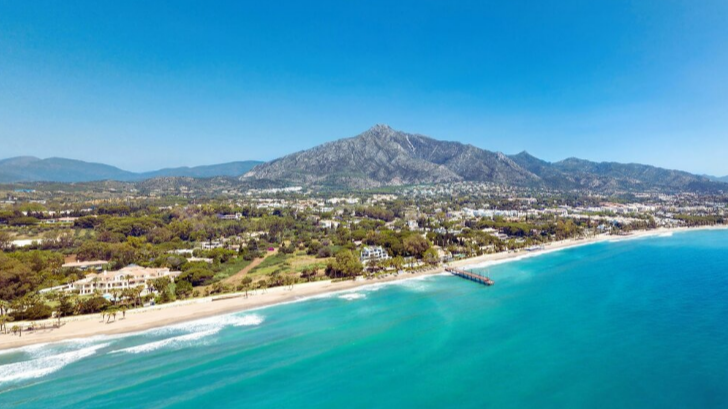
Marbella for Families: Schools, Activities, and Everyday Life on the Costa del Sol is a topic more and more parents are exploring as they look for a warmer, safer and more relaxed lifestyle for their children. Marbella is no longer just a holiday destination or a luxury hotspot; it has become a year‑round home for thousands of international families who value international schooling, outdoor living and a strong community.
If education is high on your list, you may want to explore this helpful resource early in your research: Best International Schools Marbella
Below, you’ll find an in‑depth look at how Marbella works for families: from education choices and after‑school activities to neighborhoods, healthcare and daily costs.

Why Choose Marbella for Families on the Costa del Sol?
When parents consider Marbella for families, the first questions are usually about safety, climate, accessibility and community. Marbella scores strongly on all four.
- Climate: Around 300–320 sunny days per year, mild winters and warm, dry summers. This means children spend more time outdoors and less time stuck at home due to bad weather.
- Location: Málaga Airport is about 40–45 minutes away by car, with frequent flights across Europe. For many families, this makes visits from grandparents and quick trips “back home” realistic.
- Safety: Violent crime is relatively low compared with many large cities. Most family neighborhoods feel safe for walking, playground visits and cycling, especially during the day and early evening.
- Community: A high percentage of foreign residents creates a multicultural environment. It is normal to hear several languages at school gates, playgrounds and sports clubs.
Many parents describe Marbella life with simple phrases like “more time together outside”, “less stress with commuting” and “kids growing up in the sun rather than indoors.” This combination of climate and lifestyle is one of the main reasons families choose the Costa del Sol over other European regions.
Marbella for Families: Schools and Education Options on the Costa del Sol
Education is at the heart of any decision about Marbella for families: schools, activities, and everyday life on the Costa del Sol. Marbella is unusually rich in schooling choices for a town of its size, which is one reason it attracts international families.
Broadly, you can choose between:
- Spanish public schools (colegios públicos)
- Semi‑private “concertado” schools
- Private Spanish schools
- International schools (British, IB, other curricula)
Each route has its own advantages in terms of language, cost, curriculum and integration.
International Schools in Marbella for Families
Marbella and the surrounding area have one of the highest concentrations of international schools in Spain. This is important if you want your children to study in English or another language and follow a familiar curriculum.
Common options include:
- British curriculum (GCSEs, A‑Levels)
- International Baccalaureate (IB)
- American‑style education
- Bilingual Spanish–English schools
- Nordic and other European language schools
Typical features of international schools in Marbella:
- Small to medium class sizes, often with strong focus on individual attention.
- Multicultural classrooms, where it is normal to have 20–30 nationalities in the same school.
- Strong language support, especially English, with Spanish taught as a second language and extra help for non‑native speakers.
- Modern facilities, such as science labs, sports pitches, performing arts spaces and technology rooms.
- After‑school programs, including sports, arts, music, robotics and language clubs.
Many parents say that the international atmosphere helps their children become “global citizens”, comfortable moving between cultures and languages from a young age.
Public and Bilingual Schools in Marbella
Choosing a Spanish public or concertado school is often the best path if your priority is deep integration into Spanish life and strong Spanish language skills.
Key points:
- No tuition fees in public schools, though you still pay for books, materials and some activities.
- Spanish is the language of instruction, with English as a subject (and sometimes additional CLIL bilingual programs).
- Catchment areas (zonas escolares) matter: where you live affects which public schools are available to you.
- School hours often run from about 9:00 to 14:00 or 9:00 to 17:00, depending on the school and stage.
For younger children, immersion in a Spanish environment can be very effective. Many international families choose a mixed path: public school in early years for language and local friends, and possibly an international school later for specific academic goals.
Marbella for Families: Everyday Life, Neighborhoods and Housing
Understanding everyday life in Marbella for families means looking closely at where you might live and how that shapes school choices, commuting, and children’s activities.
Popular family‑friendly areas include:
- Nueva Andalucía: Known for its residential feel, golf courses and proximity to several international schools. Many gated communities, playgrounds and green areas.
- San Pedro de Alcántara: A more traditional Spanish town feel with an upgraded seafront promenade, good public schools and growing international presence. Often slightly more affordable than central Marbella.
- Marbella East (Elviria, Las Chapas, Cabopino): Green, low‑rise, with beautiful beaches and easy car access to schools and shopping centers.
- Golden Mile surroundings: Closer to central Marbella, combining access to amenities with quiet residential streets.
Family-Friendly Neighborhoods in Marbella: What to Look For
When assessing Marbella for families: schools, activities, and everyday life, it helps to map daily routes:
- Distance to school: – Is it walkable or a short drive? – Is there a school bus route?
- Play and green spaces: – Nearby parks and playgrounds? – Safe routes for walking or cycling?
- Shops and services: – Supermarkets, pharmacies, cafés and clinics close by?
- Noise and traffic: – Busy nightlife areas vs. quiet residential streets. – Main roads or highways nearby?
Many parents build a mental “chart of daily life” before committing, listing:
- Home → school travel time (morning and afternoon)
- Home → main sports/activities (twice or three times per week)
- Home → parents’ work or co‑working location
- Weekend access to beaches, countryside and malls
This simple planning exercise often reveals the most suitable neighborhood for your family’s rhythm.
Marbella for Families: Activities, Sports and Weekends
A major advantage of Marbella for families is the range of activities available for children of different ages and interests. Thanks to the climate, a large part of family life takes place outdoors.
Popular activities include:
- Water sports: Swimming, paddleboarding, sailing, kayaking, snorkeling.
- Team sports: Football, basketball, rugby, volleyball and hockey.
- Racquet sports: Tennis and padel (extremely popular in Spain).
- Arts and music: Dance academies, drama schools, music lessons, art workshops.
- Nature and adventure: Hiking in the nearby Sierra Blanca, bike rides, horse riding and nature parks.
Outdoor Activities for Kids on the Costa del Sol
With so many sunny days, outdoor play is central to Marbella for families: activities and everyday life on the Costa del Sol.
Common weekend or after‑school routines:
- Beach afternoons: Simple and low‑cost. Children swim, play football on the sand, or enjoy playgrounds built directly on many beaches.
- Promenade cycling and scooters: Many families use the seafront promenade for bike rides and scooter trips, especially in the early evening.
- Hiking and nature trips: Short trails near Marbella or drives to nearby natural parks give children direct contact with nature beyond the beach.
For teens, sports clubs are especially important for social life and structure, offering regular training, coaching and competitions.
Cultural and Language Activities for Children in Marbella
Beyond sports, cultural and language enrichment plays a key role in family life:
- Spanish language classes for children from non‑Spanish backgrounds to support integration.
- English reinforcement for Spanish families and those following Spanish schooling.
- Music and dance schools covering classical, flamenco, modern, hip‑hop and more.
- Local fiestas and traditions, where children experience Andalusian culture firsthand through processions, fairs, and seasonal celebrations.
This blend of international exposure and local culture is often cited by parents as a major reason for choosing Marbella over less diverse locations.
Practical Essentials of Everyday Life in Marbella for Families
To fully understand Marbella for families: schools, activities, and everyday life, you also need a clear view of practicalities: healthcare, transport and costs.
Healthcare:
- Public health centers and nearby hospitals provide access to pediatric care, vaccinations and emergencies.
- Many private clinics offer multilingual doctors, which is reassuring for international parents.
- Pharmacies are widely available and often open long hours.
Transport:
- Many families rely on a car for school runs and activities.
- Local buses exist but may not always match school schedules.
- Some international schools provide school bus services across key residential zones.
Shopping and services:
- Multiple supermarkets, organic food stores and local markets for fresh produce.
- Shopping centers with clothing, electronics, toys and home goods.
- Child‑oriented services like dentists, physiotherapists, psychologists and tutoring centers.
Cost of Living Snapshot for a Family in Marbella
While exact numbers vary by family size and lifestyle, a simple cost chart in words might look like this for a typical international family:
- Housing: – Rent: From moderate to high, depending on location, size and proximity to the sea or schools. – Purchase: Higher than many Spanish towns, especially in prime areas, but still lower than major capitals like London or Paris for similar properties.
- Schooling: – Public schools: No tuition. – International schools: Monthly or term fees that vary by school and age group, representing a significant part of the family budget.
- Groceries and dining: – Supermarket shopping: Comparable to many Western European countries, often cheaper for fresh fruit and vegetables. – Eating out: Wide range from inexpensive local menus to premium restaurants.
- Activities: – Sports clubs, music lessons and after‑school activities add regular monthly costs, but many are reasonably priced compared with northern Europe.
Families often find that, while Marbella is not the cheapest place in Spain, the quality of life gained per euro spent feels high, thanks to climate, safety and services.
Is Marbella for Families on the Costa del Sol the Right Choice for You?
Putting it all together, Marbella for Families: Schools, Activities, and Everyday Life on the Costa del Sol offers a strong mix of:
- Good education options, especially for international curricula and bilingual paths.
- Outdoor, active living that supports physical and mental well‑being for children and parents.
- Multicultural community that helps kids grow up open‑minded and flexible.
- Solid healthcare and safety, crucial foundations for raising a family.
- A cost of living that is higher than much of Spain, but often balanced by the advantages of climate, infrastructure and community.
Whether Marbella is the right place for your family will depend on your budget, language goals, work situation and preferred lifestyle. If you value sunshine, outdoor time, cultural diversity and strong schooling options, Marbella is a compelling candidate for building a rich, family‑centered life on the Costa del Sol.