
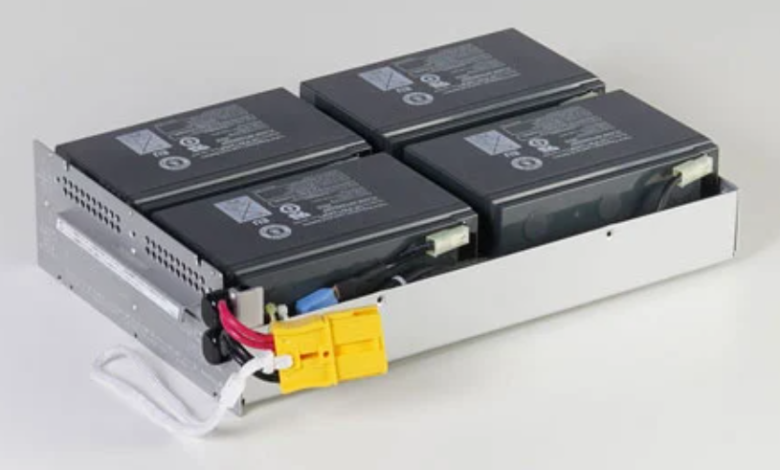
In today’s fast-paced digital world, power interruptions can cause significant disruptions, from data loss to downtime in businesses. A Lithium Battery UPS (Uninterruptible Power Supply) has emerged as a highly efficient solution for ensuring continuous power in both residential and commercial environments. Unlike traditional UPS systems that use lead-acid batteries, lithium battery UPS offers superior performance, longevity, and reliability.
What is a Lithium Battery UPS?
A Lithium Battery UPS is an energy storage system designed to provide backup power during electrical outages. It integrates lithium-ion batteries with power conversion technologies to deliver uninterrupted electricity to connected devices. Lithium batteries, known for their high energy density, lightweight design, and long lifecycle, make this UPS system an ideal choice for modern power management needs.
See also: When To Call A Professional For Home Water Repairs


Key Advantages of Lithium Battery UPS
1. Longer Lifespan
Lithium batteries typically last 3–5 times longer than traditional lead-acid batteries. This longevity translates into fewer replacements and lower maintenance costs, making it a cost-effective solution in the long run.
2. Higher Efficiency
Lithium battery UPS systems are more energy-efficient, often achieving efficiency rates of up to 95%, reducing energy wastage and operational costs.
3. Faster Charging
Lithium batteries charge much faster than conventional batteries, often reaching full charge in a few hours. This ensures that the UPS is always ready to provide backup power when needed.
4. Compact and Lightweight Design
The compact size and lightweight nature of lithium batteries allow UPS systems to occupy less space. This is particularly beneficial in environments where space is limited, such as offices or server rooms.
5. Eco-Friendly
Lithium batteries are less harmful to the environment compared to lead-acid alternatives. They contain fewer toxic materials and are more easily recyclable, making them a greener choice for sustainable energy solutions.
6. Consistent Power Output
Lithium battery UPS systems provide stable voltage and current, which protects sensitive equipment such as computers, servers, and medical devices from power fluctuations.
Applications of Lithium Battery UPS
Lithium battery UPS systems are versatile and suitable for a wide range of applications:
- Home and Office: Keeps computers, Wi-Fi routers, and essential appliances running during power cuts.
- Data Centers: Protects servers and critical IT infrastructure from downtime.
- Telecommunication Systems: Ensures uninterrupted communication networks.
- Healthcare Facilities: Supports life-saving medical equipment in hospitals and clinics.
- Renewable Energy Integration: Works seamlessly with solar power systems to store and supply energy.
Maintenance and Safety Tips
Even though lithium battery UPS systems are low-maintenance, following best practices enhances their efficiency and lifespan:
- Avoid exposing the battery to extreme temperatures.
- Ensure proper ventilation around the UPS system.
- Regularly monitor battery performance using the UPS management software.
- Do not attempt to dismantle or repair the battery yourself; seek professional assistance.
FAQs About Lithium Battery UPS
Q1: How long does a lithium battery UPS last?
A typical lithium battery UPS can last 8–10 years, depending on usage and maintenance, which is significantly longer than lead-acid battery UPS systems.
Q2: Can a lithium battery UPS be used in solar power systems?
Yes, lithium battery UPS systems are compatible with solar setups, providing reliable energy storage and power backup.
Q3: Are lithium battery UPS systems safe?
Yes, modern lithium batteries have built-in safety mechanisms, including overcharge protection, short-circuit protection, and temperature monitoring.
Q4: How often should I charge a lithium battery UPS?
Lithium battery UPS units should ideally remain plugged in and charged. They can also handle frequent charge cycles without reducing battery lifespan.
Q5: Is a lithium battery UPS more expensive than traditional UPS?
Initially, lithium battery UPS systems may have a higher upfront cost, but their longer lifespan, lower maintenance, and higher efficiency make them more cost-effective over time.
Conclusion
A Lithium Battery UPS represents the future of uninterrupted power solutions. Its combination of long lifespan, high efficiency, rapid charging, and eco-friendly design makes it an excellent choice for homes, businesses, and critical infrastructure. Investing in a lithium battery UPS not only ensures reliable backup power but also reduces maintenance costs and environmental impact. As electricity dependency continues to grow, embracing advanced power backup systems like lithium battery UPS is not just a convenience—it’s a necessity.






![Kontext [dev] Flip from Front to Back in Seconds, with a Fresh Twist and No Change in Background](https://cplemaire.org/wp-content/uploads/2025/07/7-1-390x220.png)